- What is Proton Therapy
-
-

Connecticut Proton is the North East Region’s leading cancer treatment center
About our center
-
- Conditions we treat
-
-

Take the next step with expert proton therapy care tailored to your diagnosis
Get in touch
-
- Your Care Journey
-
-

Connecticut Proton is the North East Region’s leading cancer treatment center
Get in touch
-
- About our center
- FAQ
- Contact us







Type a word or term, click enter or click the magnifying glass to search our website
May we suggest:
Revolutionary cancer treatment is here
Proton therapy targets cancer precisely, reducing side effects and helping maintain quality of life before and after treatment.
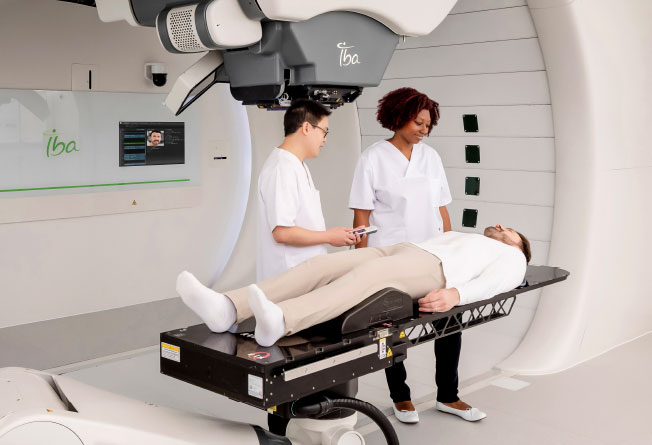
What is Proton Therapy?
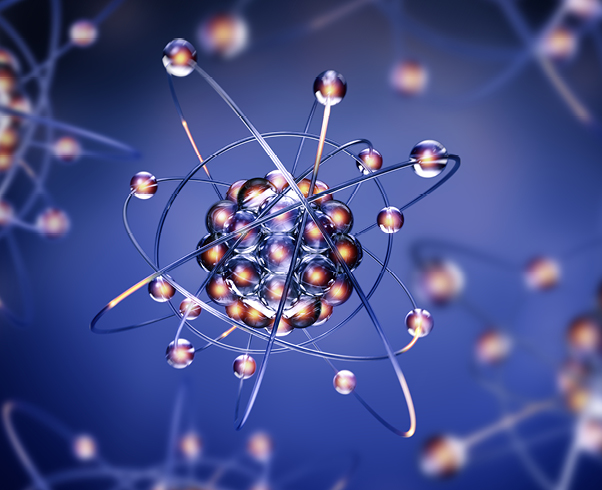
Proton therapy is a type of cancer treatment that uses protons, or positively charged particles, instead of X-rays to destroy cancer cells. Unlike traditional radiation therapy, proton therapy delivers most of its energy directly to the tumor with minimal radiation to surrounding healthy tissue. This precision reduces side effects and is especially beneficial for treating tumors near vital organs or in children.
If you’ve been diagnosed for the first time, or are facing recurrent cancer, proton therapy may be your best option as one of the safest and most effective cancer treatments. Proton therapy is a much less invasive alternate, recommended for numerous types of cancer that historically have been treated through traditional approaches such as surgery, chemotherapy, and X-ray radiation.
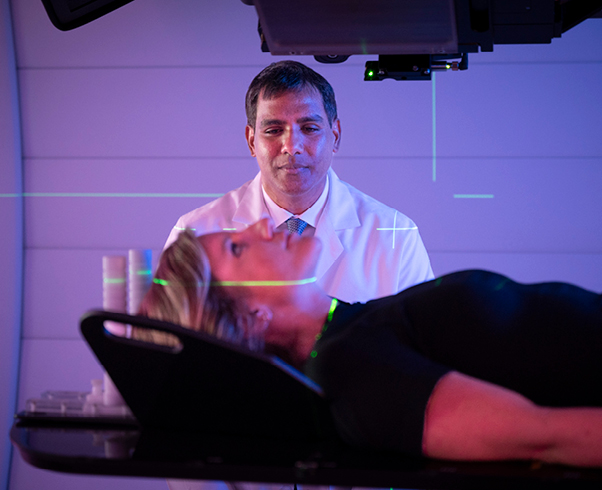
The difference between Proton Therapy and traditional radiation
Both kinds of radiation therapy have the same goal: to damage the cancer cells so they cannot grow and spread further. The fundamental difference between proton therapy and traditional radiation therapy is the type of energy they use. Traditional radiation therapy uses photons to treat tumors. It delivers large doses of radiation to tumors, but also to healthy tissues or organs in its path. Proton therapy uses protons. It is less common, but it has been used for decades. Proton therapy can deliver high doses of radiation to the tumor but a much lower dose to healthy tissues. As a result, patients typically experience fewer short- and long-term side effects.

Is Proton Therapy right for me?
Our doctors and nurses are available to discuss whether proton therapy is right for you. Some of the questions we may ask to guide that conversation could include:
Has a solid tumor been identified? Proton therapy is an extremely effective treatment option for localized tumors that have not spread to other areas.
Is your cancer located near a sensitive area? Proton therapy is particularly advantageous for treating irregularly shaped tumors, hard-to-reach tumors, and tumors near vital organs and critical structures.
Do you plan to seek additional treatments? Proton therapy can be used alone or in conjunction with other cancer treatments like traditional radiation, surgery and chemotherapy.
Proton Therapy advantages
Proton beams stop at the tumor and don’t travel beyond it. This means less harm to nearby organs, muscles, and nerves. As a result, patients are less likely to suffer long-term complications. Other advantages:
1. Minimal side effects
Because proton therapy spares healthy tissue surrounding a tumor, side effects such as diarrhea, nausea, headache and loss of appetite are less likely. After treatment, most patients resume their daily routines.
2. Lower incidence of secondary tumors
Reduced radiation toxicity results in a lower incidence of secondary tumors compared to standard X-ray radiation which is especially important for children and young adults.
3. Laser-like precision
Proton beam therapy delivers radiation with exceptional precision. Unlike standard X-ray radiation, protons deposit the majority of their energy directly within the tumor and then stop, reducing unnecessary radiation beyond the target.
Your care journey
We understand that starting cancer treatment can feel overwhelming. At Connecticut Proton, we’re here to guide you every step of the way—providing clear information, personalized support, and compassionate care tailored to your needs.